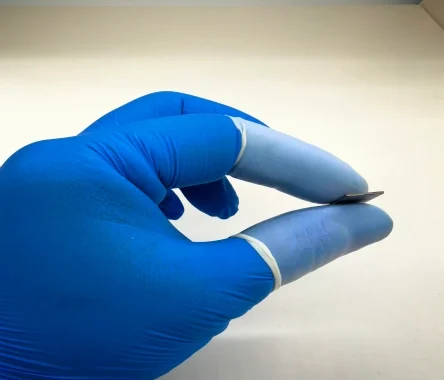
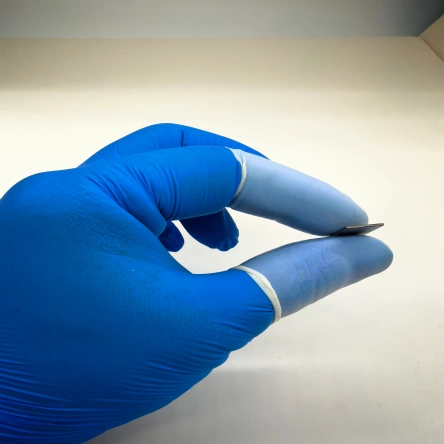
What are finger cots made of

What are finger cots made of

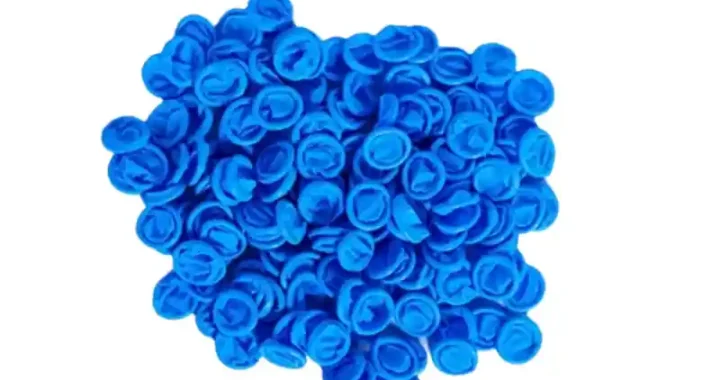
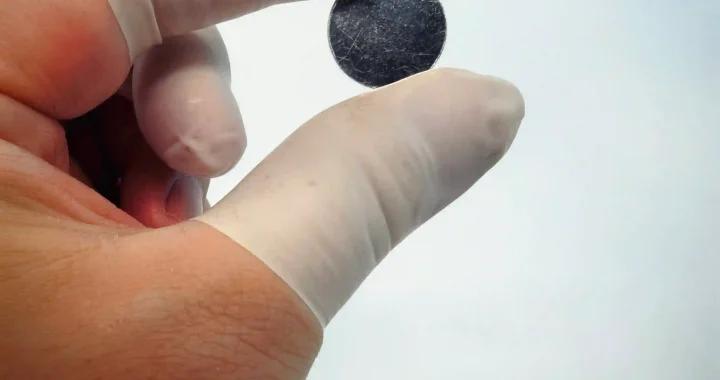
Finger cots are mainly made of these common materials:
  • Latex

    Soft, elastic, cost-effective, the most widely used type.

  • Nitrile

    Latex-free, allergy-proof, chemical and oil resistant, good for electronics and cleanrooms.

  • PVC / Vinyl

    Economical, basic dust and light dirt protection.

  • ESD anti-static material

    Special conductive material, for electronic assembly to prevent static damage.

We supply all material types of finger cots at YUFENG.

what are nitrile finger cots used for

what are nitrile finger cots used for

Nitrile finger cots are disposable, latex-free protective finger covers, with these main uses:
  1. Allergy safe protection

    Suitable for people allergic to latex, no skin irritation.

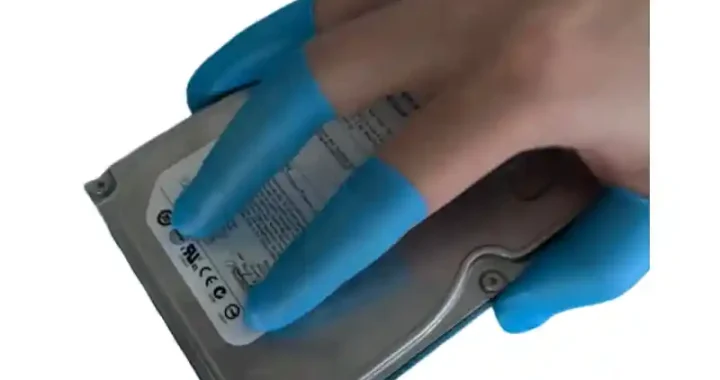
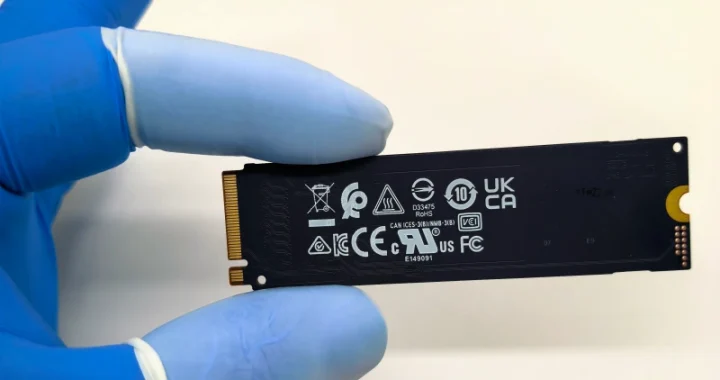
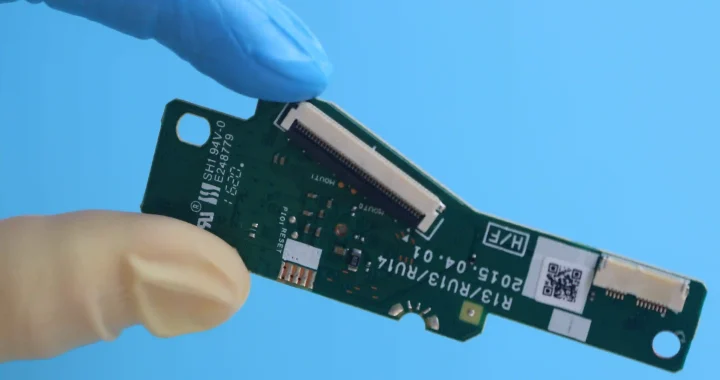
  2. Electronics & precision industry

    Anti-static, dust-proof, prevent fingerprints, sweat and oil from damaging circuit boards and precision parts.

  3. Cleanroom & laboratory

    High cleanliness, for pharmaceutical, biological labs and dust-free workshop operation.

  4. Chemical & industrial work

    Resist oil, solvents and mild chemicals, protect fingertips from corrosion and contamination.

  5. Medical & beauty

    Sterile available, used for medical examination, nail art, tattoo and permanent makeup hygiene.

We supply premium nitrile finger cots at YUFENG.

Where to Buy Finger Cots

Where to Buy Finger Cots

You can easily buy high-quality finger cots at YUFENG (YUFENG LATEX FINGER CO., LTD).We offer a full range of finger cots for every need:
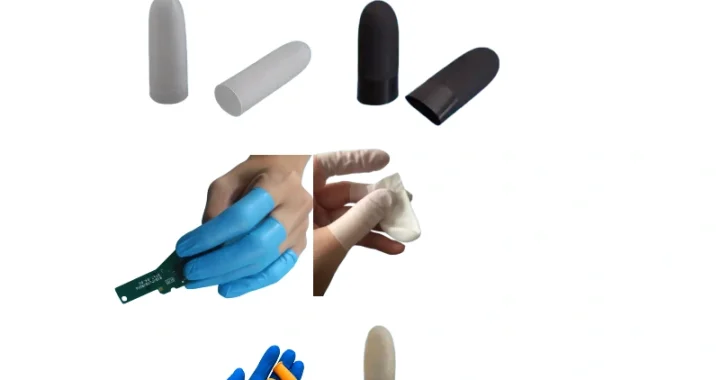
Materials: Latex, Nitrile, ESD (anti-static), and PVC.
Applications: Electronics assembly, cleanroom, medical, beauty, and industrial use.
Packaging: Available in retail and bulk wholesale packs.
✅ Why Choose YUFENG
Factory-direct pricing & reliable quality.
Various sizes (S/M/L) and types in stock.
Custom packaging & logo service available.
Fast shipping & global delivery.
Whether you need small retail packs or large bulk orders, YUFENG is your one-stop shop for protective finger cots.

what are finger cots used for

what are finger cots used for

Finger cots are small, disposable protective covers worn over individual fingers.

Main Uses

  1. Industrial & Electronics

    Protect fingers from static electricity, dust, oil, and scratches; prevent finger sweat/oil from contaminating precision parts, circuit boards, and electronic components.

  2. Medical & Healthcare

    Used for examinations, wound care, handling medical supplies; offer hygiene, isolation from bacteria/viruses, and avoid cross-contamination.

  3. Cleanroom & Laboratory

    Widely used in pharmaceutical, biological labs, and dust-free workshops to maintain sterile and dust-free environments.

  4. Daily & Personal Use

    Protect injured/cracked fingertips, avoid friction damage during work, and assist in delicate manual operations.

  5. Beauty & Salon

    For nail art, hair dyeing to isolate chemicals and keep fingers clean.

Buying Fingercots in Vietnam: Choose YUFENG, Your Trusted Quality Choice

Buying Fingercots in Vietnam: Choose YUFENG, Your Trusted Quality Choice

With the rapid development of Vietnam’s electronics manufacturing, medical beauty, industrial labor protection and other industries, YUFENG Fingercots have become the preferred choice for purchasing fingercots in the Vietnamese market due to their excellent quality, rich product range and high cost performance. They can not only meet the strict requirements of precision operations, but also adapt to the diverse scenarios of daily protection, making them a reliable choice for local enterprises and cross-border purchasers.

I. YUFENG Fingercots: Deeply Engaged in Protection, Adapting to Vietnam’s Market Needs
As a professional brand focusing on hand protection, YUFENG has been deeply engaged in the R&D and production of latex/anti-static fingercots for many years. Its product line covers core categories such as powder-free latex fingercots, anti-static cut fingercots, and thickened labor protection fingercots. From raw material selection to production process control, all follow international quality standards, perfectly meeting the usage needs of Vietnam’s electronics factories, clean rooms, medical nail salons and other scenarios.
1. Core Product Matrix, Covering All-Scenario Needs
– Powder-Free Latex Fingercots (Beige/Transparent): Made of natural latex, thepowder-free design avoids dust pollution, fits fingers tightly without falling off, resists fingerprints and moisture. Suitable for electronic component assembly, precision instrument operation, medical examination, nail care and other scenarios, it is the mainstream choice for Vietnam’s clean rooms and beauty industry.
– Anti-Static Cut Fingercots: Added with anti-static ingredients, the surface is frosted and non-slip, effectively eliminating static electricity to avoid precision electronic components (such as semiconductors and chips) being damaged by static electricity. The cut design is breathable and does not cause sweat accumulation, adapting to Vietnam’s hot and humid climate, and is widely used in Vietnam’s electronics manufacturing factories.
– Thickened and Wear-Resistant Labor Protection Fingercots (Orange): Made of thickened latex, non-slip and tear-resistant, resistant to acid and alkali, and puncture-proof. Suitable for heavy industry scenarios such as sorting, packaging, and hardware processing, with a cost performance far exceeding that of ordinary local labor protection fingercots in Vietnam.

2. Three Core Advantages, Surpassing Ordinary Brands
– Reliable Quality, Complying with International Standards: YUFENG fingercots have passed ISO quality certification. The powder-free models are sterile and free of impurities, and the anti-static models have stable resistance values within the safe range, far exceeding some low-quality fingercots in the Vietnamese market, and eliminating problems such as powder shedding, breakage, and product damage caused by static electricity.
– Adapting to Vietnam’s Climate, Better User Experience: Optimized material breathability for Vietnam’s high temperature and humidity environment, no sweat accumulation or stickiness when worn for a long time; high-elastic latex fits different finger sizes, wearing tightly and flexibly without affecting fine operations.
– High Cost Performance, Reducing Procurement Costs: Compared with fingercots of the same quality in local Vietnam, YUFENG’s price is 20%-30% lower; compared with imported high-end brands, it has a significant cost performance advantage, and it is more cost-effective for large-volume procurement, meeting the needs of Vietnamese enterprises to control costs.

II. Purchasing YUFENG Fingercots in Vietnam: Clear Channels, Convenient and Efficient
When purchasing YUFENG fingercots in Vietnam, you can choose the appropriate channel according to the purchase volume (retail/small batch, large batch). Combining online and offline channels, the process is simple, delivery is stable, and there is no need to worry about shortage of supply.
How long is the typical shelf life of nitrile finger cots?

How long is the typical shelf life of nitrile finger cots?

How long is the typical shelf life of nitrile finger cots?

Nitrile Finger Cots Shelf Life

Unopened (Standard Storage): 3–5 years (Industry standard; Medical/Cleanroom grades typically specify 5 years, while Industrial grades commonly specify 3 years).

Opened: Disposable models should be used immediately and discarded after a single use; reusable models are recommended to be consumed within 1–3 months (depending on storage conditions and potential contamination).
Expired / Abnormal: Discontinue use immediately if the material hardens, becomes brittle, discolors, sticks together, or loses elasticity—even if it is still technically within the stated shelf life.
Standard Storage Conditions (Determining Actual Lifespan)
Temperature: 10–25°C (Store in a cool place, away from heat sources).
Humidity: 40%–70% (Keep dry and well-ventilated; protect against moisture and mold).

Light Protection: Strictly avoid direct sunlight and UV exposure (to prevent aging and embrittlement).
Isolation: Keep away from ozone, solvents, acids, alkalis, oils/grease, and corrosive gases.
Packaging: Maintain the original packaging in a sealed state; damaged packaging will accelerate material degradation.
Reference by Grade

Medical / Food Grade: 5 years (Typically sterile/powder-free; shelf life explicitly marked on packaging).
Electronics / Cleanroom (ESD): 3–5 years (Typically sulfur-free/halogen-free; packaged for Class 100 environments).
General Industrial Grade: 3 years (Cost-optimized grade; commonly marked with this duration).

Purchasing and Inventory Tips
Check Packaging: Prioritize products with clearly marked manufacturing dates, batch numbers, and expiration dates.
First-In, First-Out (FIFO): Organize inventory by manufacturing date to avoid prolonged storage of older stock.

How to Purchase High-Quality Nitrile Finger Cots

How to Purchase High-Quality Nitrile Finger Cots

How to Purchase High-Quality Nitrile Finger Cots

Define Requirements and Grade Levels (Set Standards Before Selecting Products)

Select the appropriate grade level based on the specific application scenario to avoid the pitfalls of “over-specifying and wasting resources” or “under-specifying and compromising safety”:
Table

Scenario | Recommended Grade | Key Requirements
Electronics / Semiconductors / Cleanrooms | Sulfur-free + Powder-free + ESD | Sulfur content: 0 ppm; Class 100/10; Surface resistivity: 10⁶–10⁹ Ω
Medical / Food / Laboratories | Medical Grade / Food Grade | Sterile / Low bioburden; Allergen-free; RoHS/REACH compliant
General Industry / Maintenance | Industrial Grade | Abrasion-resistant; Oil-resistant; Cost-effective
Thickness: For precision operations, choose ultra-thin (0.08–0.10 mm); for high-frequency use or abrasion resistance, choose thickened (0.12–0.15 mm).

Size: Common diameters range from 6 to 10 mm; select a size that fits snugly—neither too tight nor prone to slipping off.
Color: Prioritize blue or white, as these colors make it easier to visually detect any damage or punctures.

What is Finger Gloves

Finger gloves, also known as finger cots, are thin, disposable protective covers designed to fit tightly over individual fingers. They are usually made of latex, nitrile, PVC or soft rubber.

Lightweight and flexible, they protect fingers from dirt, dust, chemicals, sweat, bacteria and minor scratches. They also prevent skin contamination and avoid direct contact between hands and products.

Widely used in medical laboratories, electronic manufacturing, clean rooms, healthcare, beauty, food processing and daily hygiene. They are essential for dust-free operation, sterile handling and industrial protection.