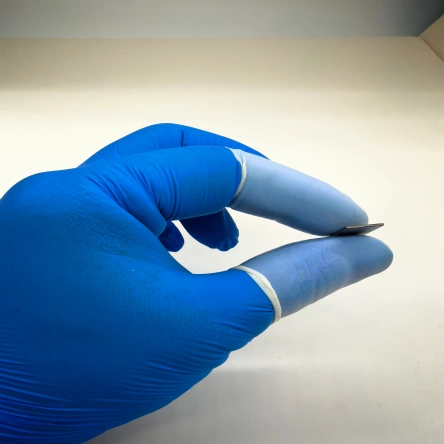
what are finger cots used for

what are finger cots used for

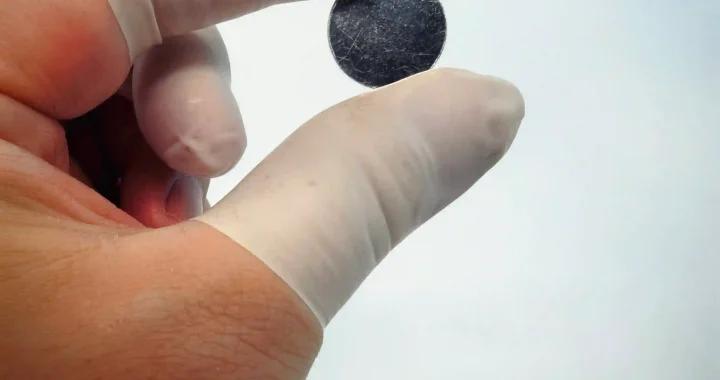
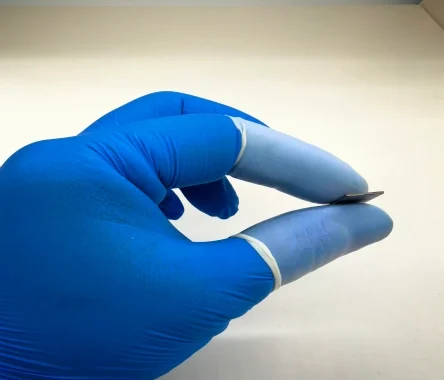
Finger cots are small, disposable protective covers worn over individual fingers.

Main Uses

  1. Industrial & Electronics

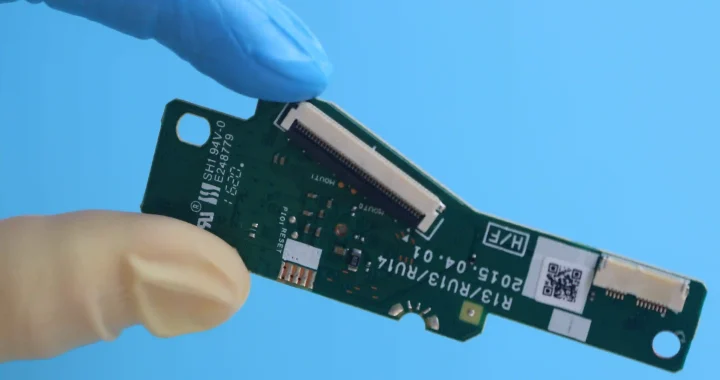
    Protect fingers from static electricity, dust, oil, and scratches; prevent finger sweat/oil from contaminating precision parts, circuit boards, and electronic components.

  2. Medical & Healthcare

    Used for examinations, wound care, handling medical supplies; offer hygiene, isolation from bacteria/viruses, and avoid cross-contamination.

  3. Cleanroom & Laboratory

    Widely used in pharmaceutical, biological labs, and dust-free workshops to maintain sterile and dust-free environments.

  4. Daily & Personal Use

    Protect injured/cracked fingertips, avoid friction damage during work, and assist in delicate manual operations.

  5. Beauty & Salon

    For nail art, hair dyeing to isolate chemicals and keep fingers clean.

How long is the typical shelf life of nitrile finger cots?
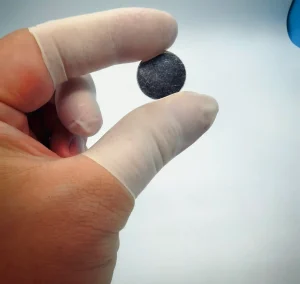
How long is the typical shelf life of nitrile finger cots?

How long is the typical shelf life of nitrile finger cots?

Nitrile Finger Cots Shelf Life

Unopened (Standard Storage): 3–5 years (Industry standard; Medical/Cleanroom grades typically specify 5 years, while Industrial grades commonly specify 3 years).

Opened: Disposable models should be used immediately and discarded after a single use; reusable models are recommended to be consumed within 1–3 months (depending on storage conditions and potential contamination).
Expired / Abnormal: Discontinue use immediately if the material hardens, becomes brittle, discolors, sticks together, or loses elasticity—even if it is still technically within the stated shelf life.
Standard Storage Conditions (Determining Actual Lifespan)
Temperature: 10–25°C (Store in a cool place, away from heat sources).
Humidity: 40%–70% (Keep dry and well-ventilated; protect against moisture and mold).

Light Protection: Strictly avoid direct sunlight and UV exposure (to prevent aging and embrittlement).
Isolation: Keep away from ozone, solvents, acids, alkalis, oils/grease, and corrosive gases.
Packaging: Maintain the original packaging in a sealed state; damaged packaging will accelerate material degradation.
Reference by Grade

Medical / Food Grade: 5 years (Typically sterile/powder-free; shelf life explicitly marked on packaging).
Electronics / Cleanroom (ESD): 3–5 years (Typically sulfur-free/halogen-free; packaged for Class 100 environments).
General Industrial Grade: 3 years (Cost-optimized grade; commonly marked with this duration).

Purchasing and Inventory Tips
Check Packaging: Prioritize products with clearly marked manufacturing dates, batch numbers, and expiration dates.
First-In, First-Out (FIFO): Organize inventory by manufacturing date to avoid prolonged storage of older stock.

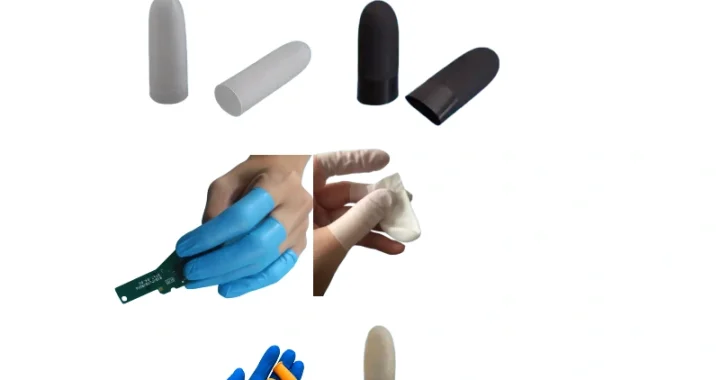
How to Purchase High-Quality Nitrile Finger Cots

How to Purchase High-Quality Nitrile Finger Cots

How to Purchase High-Quality Nitrile Finger Cots

Define Requirements and Grade Levels (Set Standards Before Selecting Products)

Select the appropriate grade level based on the specific application scenario to avoid the pitfalls of “over-specifying and wasting resources” or “under-specifying and compromising safety”:
Table

Scenario | Recommended Grade | Key Requirements
Electronics / Semiconductors / Cleanrooms | Sulfur-free + Powder-free + ESD | Sulfur content: 0 ppm; Class 100/10; Surface resistivity: 10⁶–10⁹ Ω
Medical / Food / Laboratories | Medical Grade / Food Grade | Sterile / Low bioburden; Allergen-free; RoHS/REACH compliant
General Industry / Maintenance | Industrial Grade | Abrasion-resistant; Oil-resistant; Cost-effective
Thickness: For precision operations, choose ultra-thin (0.08–0.10 mm); for high-frequency use or abrasion resistance, choose thickened (0.12–0.15 mm).

Size: Common diameters range from 6 to 10 mm; select a size that fits snugly—neither too tight nor prone to slipping off.
Color: Prioritize blue or white, as these colors make it easier to visually detect any damage or punctures.

What is Finger Gloves

Finger gloves, also known as finger cots, are thin, disposable protective covers designed to fit tightly over individual fingers. They are usually made of latex, nitrile, PVC or soft rubber.

Lightweight and flexible, they protect fingers from dirt, dust, chemicals, sweat, bacteria and minor scratches. They also prevent skin contamination and avoid direct contact between hands and products.

Widely used in medical laboratories, electronic manufacturing, clean rooms, healthcare, beauty, food processing and daily hygiene. They are essential for dust-free operation, sterile handling and industrial protection.